Services.
- Home
- /
- Services
One-to-One Support
Community Based Supports and Individual Supports-Hourly
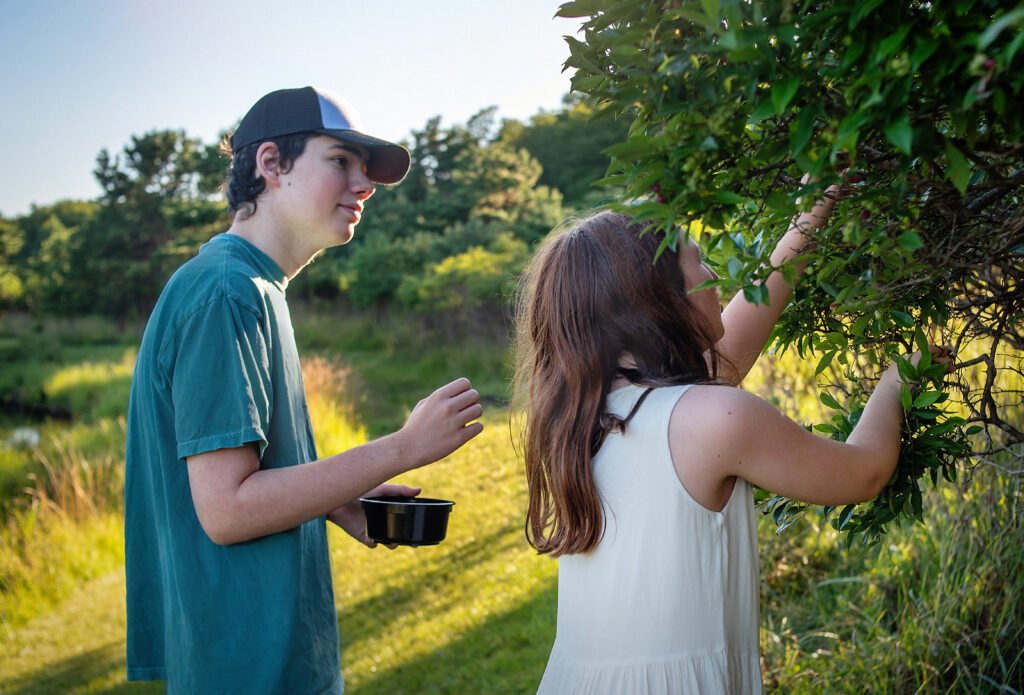
Independent Caring Realities (ICR) has an experienced, well-trained staff of direct support professionals (DSP) and skills training instructors who provide one-to-one support to adults with intellectual and/or developmental disabilities. This support is provided in a manner that promotes independence and dignity and includes:
- Skill-building: Supporting the development of life skills—such as budgeting, communication, problem-solving, and self-advocacy—to foster greater independence.
- Social engagement: Encouraging participation in community events, clubs, creative arts, sports, and volunteering to build friendships and a sense of belonging.
- Health and wellness: Collaborating on the development of routines that incorporate healthy eating and exercise.
- Daily living activities: Helping people maintain personal hygiene and manage household tasks.
Community Inclusion Services
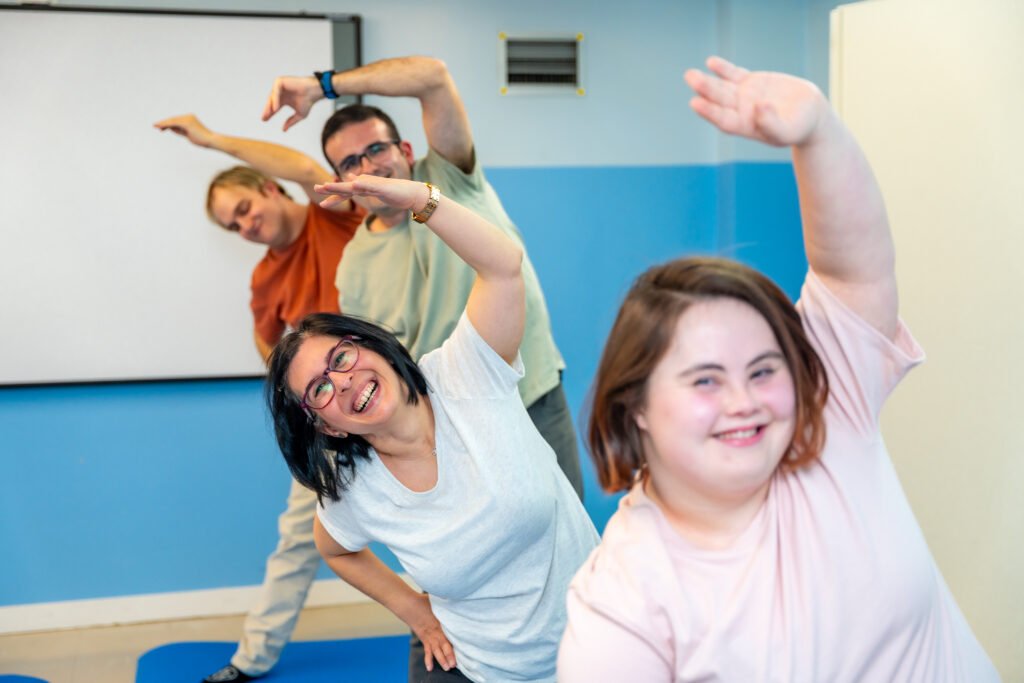
Our DSPs work collaboratively with individuals on enhancing social connections, supporting independence in everyday routines, and prioritizing safety.
Community inclusion activities can include things like:
- Attending local festivals and neighborhood gatherings
- Participating in arts and crafts workshops
- Enrolling in music, dance, or drama classes
- Attending civic engagement events such as town halls
- Joining recreational sports leagues or fitness classes
- Exploring museums or cultural exhibits
- Visiting parks for picnics and nature walks
- Volunteering at community organizations
Behavioral Supports
Behavioral Assessment, Plan Development, and Monitoring
Instructors and direct care staff at ICR are supervised by a highly trained Board-Certified Behavior Analyst (BCBA) and an experienced team of Applied Behavioral Analyst (ABA) professionals. ABA is a science-based approach that helps people understand and change behaviors that may interfere with their daily lives.
ICR Behavioral Supports include three main components:
- Assessment – gathering information, observing behavior, collecting data, determining why the person has those behaviors.
- Plan Development – writing a Behavior Support Plan (BSP) for setting goals, teaching new skills, positive reinforcement, and making changes in the environment.
- Plan Implementation – once developed, the BSP is fully implemented through the individual’s daily activities. DSP staff are thoroughly trained on strategies and focus on the reduction of any targeted behaviors. Our continuous training is designed to ensure 100% consistency in execution.
- Monitoring – monitor the person’s behaviors as the behavioral plan is implemented to identify successes or the need for adjustments to the plan.
We never say “done”; we ask only “what is next?”